

Huajuhong vs. Citri Grandis Exocarpium: Names and Uses Explained
Huajuhong vs. Citri Grandis Exocarpium is a useful comparison when researching Traditional Citrus botanicals, Dried Pomelo Peel products, herbal tea ingredients, and Huazhou-origin botanical materials. The two names are closely connected, but they can appear in different contexts, including traditional herbal terminology, botanical descriptions, product listings, processing discussions, and international trade. Understanding Huajuhong vs. Citri Grandis Exocarpium can make it easier to identify the product you are actually buying and understand how it is traditionally prepared and used.
For consumers and buyers, Huajuhong vs. Citri Grandis Exocarpium is not simply a question of which name is correct. It is also about origin, raw material, processing form, appearance, aroma, packaging, and intended application. A product may be described as Huajuhong in a commercial setting while Citri Grandis Exocarpium appears in a botanical or traditional herbal context. Looking at these details together gives a much clearer picture.
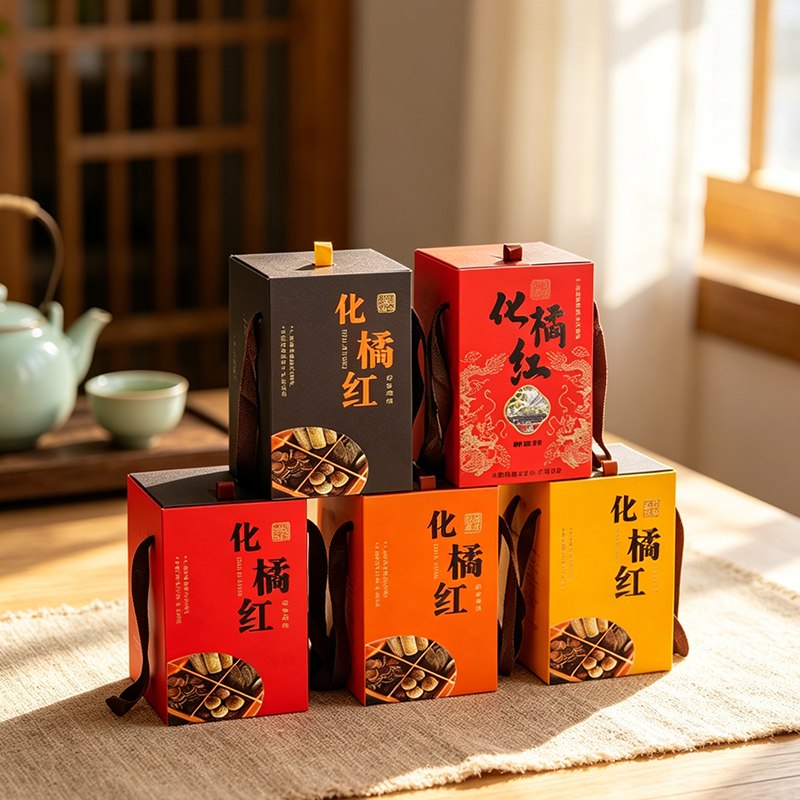
Huajuhong is a traditional citrus botanical associated with Huazhou in Guangdong, China. The name is commonly used when discussing dried citrus peel and related traditional botanical products from this regional production tradition. When examining Huajuhong vs. Citri Grandis Exocarpium, it is important to recognize that Huajuhong is commonly used as a practical product and market name, while Citri Grandis Exocarpium is a more formal traditional botanical name encountered in herbal references.
Huajuhong products can appear in different physical forms. Depending on processing methods and product specifications, buyers may encounter whole dried fruit, larger peel pieces, slices, smaller pieces, aged products, tea-ready pieces, and packaged botanical ingredients. Therefore, Huajuhong vs. Citri Grandis Exocarpium should not be understood only through the shape of the final product. Processing and product presentation can change considerably while the underlying traditional botanical identity remains closely related.
The characteristic appearance of Huajuhong is often associated with a textured or naturally uneven dried citrus surface. The aroma can be distinctly citrus-like, with a dry, fragrant character that becomes more noticeable when the material is opened or steeped in hot water. These practical characteristics are useful when evaluating Huajuhong vs. Citri Grandis Exocarpium in a commercial purchasing situation.
Citri Grandis Exocarpium is the formal Latin-style name commonly encountered in traditional herbal and botanical discussions of Huajuhong-related material. “Exocarpium” refers to the outer peel or rind portion of a fruit. In traditional product terminology, Citri Grandis Exocarpium is therefore closely connected with processed citrus peel material rather than fresh edible fruit intended for ordinary consumption.
When considering Huajuhong vs. Citri Grandis Exocarpium, the difference in terminology is especially important for international buyers. A buyer searching for Huajuhong may encounter commercial descriptions, while a buyer researching traditional botanical literature may find Citri Grandis Exocarpium. These terms can lead to overlapping product information, but the context in which each name is used can be different.
Citri Grandis Exocarpium is also associated with traditional processing and storage practices. The raw material is selected, cleaned, prepared, dried, graded, and packaged according to the intended product specification. In a modern supply chain, these steps are important because stable moisture, cleanliness, physical integrity, and packaging condition directly affect the usability of the finished dried botanical material.
Huajuhong vs. Citri Grandis Exocarpium can be confusing because the two names are closely related in traditional usage. In many commercial and consumer contexts, Huajuhong refers to the traditional dried citrus botanical product, while Citri Grandis Exocarpium is the formal botanical or traditional herbal term used to describe the material. The exact meaning should always be checked against the product's raw material, origin, processing method, and specification.
A simple way to understand Huajuhong vs. Citri Grandis Exocarpium is to think about the difference between a commonly used product name and a formal botanical terminology. Huajuhong is easier for consumers, retailers, and international buyers to recognize, while Citri Grandis Exocarpium is more frequently encountered in technical, traditional herbal, and research-oriented descriptions.
However, buyers should not assume that every dried pomelo peel product sold under a similar English name automatically has the same botanical identity. Different Citrus materials can have different characteristics. For Huajuhong vs. Citri Grandis Exocarpium, origin and raw-material identification are therefore important parts of product evaluation.
The traditional uses discussed in Huajuhong vs. Citri Grandis Exocarpium generally relate to dried citrus botanical applications. One common modern use is herbal tea. Dried pieces can be placed in a cup, teapot, or heat-resistant glass and steeped with hot water. The resulting beverage has a recognizable citrus aroma and can be enjoyed as part of a traditional botanical tea routine.
Another important use in Huajuhong vs. Citri Grandis Exocarpium is as a botanical ingredient for product development. Dried citrus materials may be incorporated into herbal tea blends, traditional botanical products, specialty beverages, gift products, and other plant-based product concepts. The exact application depends on local regulations, formulation requirements, product specifications, and intended market.
For retail customers, Huajuhong vs. Citri Grandis Exocarpium can also matter when selecting different product formats. Whole fruit products may be more visually distinctive and suitable for gifting, while slices are convenient for brewing. Smaller pieces may be useful for tea blending or ingredient applications. Different forms can therefore serve different purchasing purposes.
Herbal tea is one of the easiest ways to explore Huajuhong vs. Citri Grandis Exocarpium. A small quantity of dried material can be rinsed lightly if desired and placed in a cup or teapot. Hot water is then added, and the material is allowed to steep. The first infusion provides a noticeable citrus aroma, while later infusions may offer a lighter taste.
When preparing tea, Huajuhong vs. Citri Grandis Exocarpium does not necessarily require complicated equipment. A glass cup, ceramic teapot, or simple tea infuser can work well. Water temperature, quantity of dried material, and steeping time can be adjusted according to personal preference. A stronger preparation generally uses more material or a longer steeping time, while a lighter preparation uses less material.
Huajuhong can also be combined with other traditional tea ingredients for different flavor profiles. Ginger, honey, jujube, or other botanical ingredients may be used according to personal taste and local traditional practices. When discussing Huajuhong vs. Citri Grandis Exocarpium, these combinations should be viewed as beverage and traditional botanical practices rather than medical treatments.
Appearance is a practical consideration in Huajuhong vs. Citri Grandis Exocarpium. Good-quality dried citrus material should generally look clean, dry, and consistent with the agreed product specification. Natural variation in color and texture is possible because agricultural raw materials are not identical. Buyers should focus on overall cleanliness, dryness, physical condition, and consistency rather than expecting every piece to look exactly the same.
Aroma is another useful characteristic when evaluating Huajuhong vs. Citri Grandis Exocarpium. A natural citrus fragrance can be noticeable when the package is opened. An unusual chemical odor, excessive mustiness, or obvious contamination should prompt additional quality checks. Aroma alone cannot prove botanical identity, but it can be one part of a broader inspection process.
Texture also provides useful information. Properly dried material should not feel excessively wet or show obvious signs of uncontrolled moisture exposure. For Huajuhong vs. Citri Grandis Exocarpium, texture should be evaluated together with appearance, aroma, packaging, storage history, and supplier specifications.
Processing is an important part of Huajuhong vs. Citri Grandis Exocarpium. Fresh citrus raw material must be selected carefully before it becomes a stable dried botanical product. Typical processing can involve raw-material selection, cleaning, preparation, cutting or shaping, drying, grading, inspection, and packaging.
During the preparation of Huajuhong vs. Citri Grandis Exocarpium, drying deserves particular attention. Excessive moisture can create storage problems, while overly aggressive drying can affect appearance, texture, and aroma. A controlled processing approach helps maintain a more consistent finished product.
Modern production also pays attention to cleanliness and packaging. For commercial Huajuhong vs. Citri Grandis Exocarpium products, the finished material may be inspected for appearance, cleanliness, dryness, size, quantity, and packaging integrity before shipment. These checks are especially useful when supplying overseas markets.
One practical point in Huajuhong vs. Citri Grandis Exocarpium is that the final product can be supplied in several forms. Whole dried fruit is visually distinctive and may be selected for premium retail or gifting. Slices are easier to measure and brew, making them practical for household tea preparation and commercial tea blending.
Other forms may include pieces or processed portions designed for specific applications. The choice between forms in Huajuhong vs. Citri Grandis Exocarpium depends on how the buyer intends to use the material. Retail packaging often favors convenient portions, while wholesale buyers may prefer bulk packaging and customized specifications.
| Product Form | Typical Advantage | Common Application |
|---|---|---|
| Whole Dried Fruit | Distinctive appearance | Retail and gifting |
| Dried Slices | Easy to measure and brew | Herbal tea and blending |
| Dried Pieces | Flexible formulation | Botanical ingredient use |
When comparing Huajuhong vs. Citri Grandis Exocarpium, buyers should begin with traceability. Ask where the raw material comes from, how it was processed, how it was dried, how it was stored, and what packaging is used. A clear product specification makes it easier to compare suppliers and reduce uncertainty.
Physical inspection is also useful. For Huajuhong vs. Citri Grandis Exocarpium, look at color, surface condition, dryness, aroma, cleanliness, and physical integrity. If purchasing large quantities, buyers should establish agreed specifications before production or shipment. These specifications may include product form, size, moisture requirements, packaging, quantity, and labeling.
For international wholesale buyers, Huajuhong vs. Citri Grandis Exocarpium should also be evaluated from a documentation and import perspective. Requirements vary by destination market and product category. Buyers should confirm applicable customs, food, herbal-product, labeling, packaging, and testing requirements before placing commercial orders.
Proper storage is essential for maintaining dried citrus products. In Huajuhong vs. Citri Grandis Exocarpium, the product should generally be protected from excessive moisture, contamination, direct sunlight, and unsuitable storage conditions. Moisture-resistant inner packaging can help reduce exposure during transportation and storage.
After opening, Huajuhong vs. Citri Grandis Exocarpium products should be kept in a clean, dry, well-sealed container. Avoid repeatedly leaving the package open in humid environments. For larger commercial quantities, storage areas should be clean and appropriately managed, with stock rotated according to the supplier's recommended conditions.
For Southeast Asian buyers, Huajuhong vs. Citri Grandis Exocarpium can be especially relevant because product terminology may vary between Chinese, English, and local-language markets. A clear specification can reduce misunderstandings when buyers, importers, distributors, retailers, and tea businesses discuss the same botanical product.
Markets such as Vietnam, Thailand, Malaysia, Indonesia, and Singapore have active interest in traditional botanical ingredients and herbal tea products. For Huajuhong vs. Citri Grandis Exocarpium, suppliers serving these markets should provide clear product information, consistent packaging, appropriate documentation, and specifications that match the buyer's intended application.
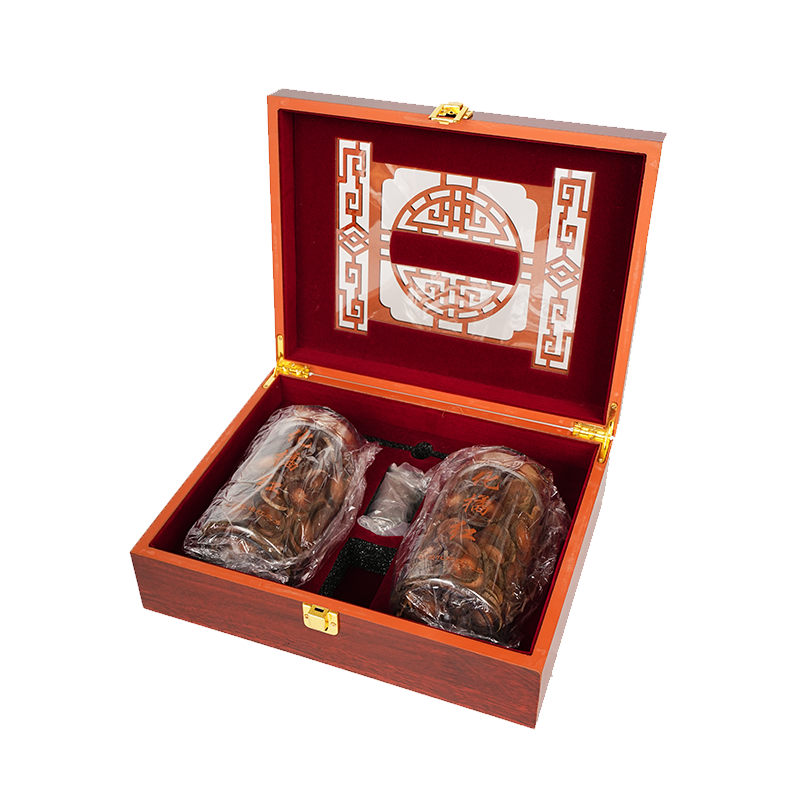
Customized packaging can also be useful. Depending on the order, Huajuhong vs. Citri Grandis Exocarpium products may be prepared in retail jars, pouches, cartons, gift boxes, or bulk packaging. Private-label and OEM packaging may also be considered for qualified commercial buyers, subject to product and market requirements.
Wholesale buyers comparing Huajuhong vs. Citri Grandis Exocarpium should look beyond the product name. A reliable purchasing process normally considers raw-material source, product form, processing method, quality inspection, packaging, order quantity, lead time, payment terms, and transportation.
For regular wholesale orders, production lead time can depend on order quantity, raw-material availability, processing requirements, and packaging customization. Before shipment, Huajuhong vs. Citri Grandis Exocarpium products can be checked according to agreed specifications, including appearance, cleanliness, dryness, quantity, and packaging condition.
Bulk orders can normally be transported by sea freight when cost efficiency is important. Air freight may be suitable for time-sensitive shipments, while express delivery can be practical for samples or small quantities. The best option for Huajuhong vs. Citri Grandis Exocarpium depends on order size, destination, delivery schedule, and packaging requirements.
One common mistake in Huajuhong vs. Citri Grandis Exocarpium is assuming that every product using the words “pomelo peel” has the same botanical origin. Commercial English terminology can be broad, so buyers should check the botanical source and production region rather than relying only on a general English product name.
Another mistake is focusing only on the age of a dried product. In Huajuhong vs. Citri Grandis Exocarpium, age may be an important commercial specification for some products, but it should not replace evaluation of raw material, processing, storage, cleanliness, and physical condition.
A third mistake is judging quality only by color. Natural dried citrus materials can vary in color depending on maturity, processing, drying, storage, and other factors. For Huajuhong vs. Citri Grandis Exocarpium, a broader inspection is more reliable than using one visual feature alone.
Huajuhong itself is better understood as a dried citrus botanical ingredient rather than automatically being a finished herbal tea. In Huajuhong vs. Citri Grandis Exocarpium, the dried material can be prepared as a simple botanical infusion by steeping it in hot water. The final beverage can also contain other ingredients depending on the desired flavor and product concept.
This distinction is useful for retailers and product developers. A package containing dried Huajuhong may be sold as a botanical ingredient, while a formulated tea blend may contain Huajuhong together with other permitted ingredients. Therefore, Huajuhong vs. Citri Grandis Exocarpium should be evaluated according to the actual product composition and labeling.
The traditional background of Huajuhong vs. Citri Grandis Exocarpium makes the ingredient interesting for modern botanical product development. Dried citrus materials can be considered for tea blends, specialty beverages, traditional botanical products, gift sets, and other plant-based concepts.
At the same time, modern product development requires clear separation between traditional use and medical claims. Huajuhong vs. Citri Grandis Exocarpium should be described using accurate language such as traditional botanical ingredient, herbal tea ingredient, dried citrus product, or wellness-oriented beverage ingredient. It should not be presented as a substitute for professional medical care.
| Point of Comparison | Huajuhong | Citri Grandis Exocarpium |
|---|---|---|
| Name Type | Common commercial and traditional name | Formal botanical or traditional herbal terminology |
| Material | Dried citrus botanical material | Dried citrus outer peel material |
| Origin Association | Huazhou, Guangdong | Associated with traditional Huazhou botanical material |
| Common Format | Whole fruit, slices, pieces | Processed dried peel material |
| Common Application | Herbal tea and botanical products | Traditional herbal and botanical applications |
Origin is a key consideration in Huajuhong vs. Citri Grandis Exocarpium because traditional Huajuhong is closely associated with Huazhou in Guangdong. Regional production traditions, raw-material selection, processing methods, and local knowledge all contribute to how the product is recognized in the market.
For commercial buyers, origin should be supported by transparent supplier information rather than used as a marketing phrase alone. When evaluating Huajuhong vs. Citri Grandis Exocarpium, ask for clear information about cultivation or sourcing, processing location, product form, packaging, and quality inspection.
A simple preparation method makes Huajuhong vs. Citri Grandis Exocarpium easy to explore at home. Start with a small amount of dried material and place it into a clean cup or teapot. Add hot water and allow it to steep for several minutes. Taste the infusion and adjust the quantity or steeping time for the next preparation.
For a lighter drink, use fewer pieces and a shorter steeping time. For a stronger citrus character, increase the amount gradually. When experimenting with Huajuhong vs. Citri Grandis Exocarpium, simple preparation is often the best starting point because it allows the natural aroma and taste of the dried material to remain noticeable.
Packaging has a direct effect on how Huajuhong vs. Citri Grandis Exocarpium products are stored, transported, and presented. Moisture-resistant inner bags can provide an additional barrier during transportation, while cartons or woven outer packaging can provide physical protection for wholesale shipments.
For premium retail products, Huajuhong vs. Citri Grandis Exocarpium can be presented in glass jars, pouches, cartons, or gift boxes. Packaging should protect the dried material while also providing clear information about product name, specifications, net weight, storage instructions, origin information, and other labeling details required for the destination market.
Huajuhong vs. Citri Grandis Exocarpium is mainly a terminology and product-identification question that becomes much easier once origin, raw material, processing, and application are considered together. Huajuhong is widely used as a practical name for a traditional dried citrus botanical associated with Huazhou, while Citri Grandis Exocarpium is a formal botanical and traditional herbal term encountered in technical contexts.
Understanding Huajuhong vs. Citri Grandis Exocarpium helps consumers choose suitable products, helps retailers explain product differences, and helps wholesale buyers communicate more clearly with suppliers. Instead of judging a product only by its name, buyers should examine botanical identity, origin, appearance, aroma, dryness, processing, packaging, storage, and documentation.
For herbal tea and botanical applications, Huajuhong vs. Citri Grandis Exocarpium can be explored through simple dried slices, whole fruit, or other suitable product formats. With careful sourcing and appropriate storage, these traditional citrus materials can serve as practical ingredients for tea, specialty botanical products, gifting, retail, and commercial product development.
For buyers in Southeast Asia, the most useful approach to Huajuhong vs. Citri Grandis Exocarpium is to request a clear product specification before ordering. Confirm the raw material, origin, product form, processing requirements, packaging, quantity, documentation, and intended application. This straightforward process makes international purchasing more consistent and helps ensure that the delivered product matches the agreed specification.
Copyright @ Xiangyun Platform Information Technology Co., Ltd All rights reserved Filing Number: CP Reserve123456789-1
Powered by Xiangyun Platform Technical Support: Xiangyun Platform Disclaimer Website Map | RSS | XML
ແຜນຜັງເວັບໄຊທ໌ເວັບໄຊທ໌ນີ້ໃຊ້ cookies ເພື່ອຮັບປະກັນວ່າທ່ານໄດ້ຮັບປະສົບການທີ່ດີທີ່ສຸດໃນເວັບໄຊທ໌ຂອງພວກເຮົາ.
 English
 Español
 Portugues
 Pусский
 Français
 Deutsch
 日本語
日本語 한국어
한국어 العربية
 Italiano
 ไทย
ไทย Indonesia
 Melayu
 Tiếng Việt
 中文
中文 Magyar
 မြန်မာ
 Filipino
 ខ្មែរ
ខ្មែរ


ຄໍາເຫັນ
(0)